November 19, 2026
The Family Traditions Your Kids Will Actually Remember
SHARE
Think back to some of your favorite childhood memories. What comes to mind?
Maybe it’s a family vacation, a favorite holiday meal, or an annual trip to Grandma’s house. Or perhaps it’s something much simpler, like making pancakes on Saturday mornings, playing cards around the kitchen table, or laughing about the year Dad burned the dinner rolls.
Funny how those little moments stay with us, isn’t it?
As parents, we sometimes put tremendous effort into creating special experiences for our children. We plan elaborate celebrations, spend money on memorable outings, and work ourselves into exhaustion trying to make everything perfect.
But here’s something worth remembering: The traditions that matter most aren’t necessarily the most impressive. They’re the ones that help us feel connected.
Why Family Traditions Matter More Than You Think
Family traditions do more than give us something to look forward to. They help create a sense of identity and belonging.
A review of 50 years of research on family routines and rituals, published in the Journal of Family Psychology, found that these shared experiences were associated with stronger family relationships, children’s adjustment, and marital satisfaction.
Researchers also identified an interesting distinction between routines and rituals.
A routine is something we do regularly, like eating dinner together. A ritual is what happens when that activity takes on special meaning for the family.
For example, having pizza every Friday night is a routine. But when everyone helps make the pizza, tells stories about the week, and argues good-naturedly over who gets the last slice, it may become something more.
It becomes part of your family’s story.
And those shared experiences can help children develop a sense of who they are and where they belong.
It’s Not About Creating Perfect Memories
Here’s where I think parents can give themselves a break.
Children don’t need every family experience to be extraordinary. In fact, some of the most meaningful traditions are wonderfully ordinary.
Maybe your family has a special breakfast on birthdays. Perhaps you take a walk after a big meal, read the same story every year, or have a ridiculous competition that nobody takes seriously but everybody wants to win.
The American Academy of Pediatrics encourages families to establish regular activities they enjoy together, noting that these shared experiences can strengthen family bonds.
What matters isn’t how elaborate the activity is. It’s the opportunity to spend time together, pay attention to one another, and create something familiar that everyone can anticipate.
And sometimes, the best memories come from things that didn’t go according to plan.
The camping trip when it rained for three days. The cake that collapsed. The family photograph where nobody was looking at the camera.
Years later, those may be the stories everyone still tells.
Give Your Children a Part in the Tradition
One way to make family traditions more meaningful is to let children help create them.
Instead of planning every detail yourself, invite them to contribute. Let them choose a game, help prepare a favorite recipe, or suggest something the family could do together.
Even young children can participate in simple ways, while teenagers may enjoy taking responsibility for an activity or introducing something new.
And don’t be surprised if their ideas are a little different from yours.
You might envision a lovely family dinner followed by meaningful conversation. They might suggest building a blanket fort in the living room.
Sometimes you just have to go with the blanket fort.
Giving children a voice helps them feel that they’re not simply attending a family event. They’re an important part of making it happen.
When Traditions Need to Change
Of course, families don’t stay the same forever.
Children grow up and move away. Grandparents get older. Families experience divorce, loss, relocation, and other changes that can make familiar traditions difficult or even impossible to continue.
And sometimes, the absence of someone we love makes a once-joyful occasion feel very different.
It’s okay to acknowledge that.
A tradition doesn’t have to remain exactly the same to preserve its meaning. You might prepare a favorite recipe in someone’s memory, invite new people to join your gathering, or create an entirely different way of celebrating together.
The important thing is to hold on to the connection, even when the circumstances change.
Sometimes, beginning a new tradition is a beautiful way of honoring what came before.
Start Small and Make It Your Own
If your family doesn’t have many established traditions, there’s no need to organize something elaborate. Start with something simple that fits your family.
Here are a few ideas:
- Create a family signature dish. Let everyone participate in preparing something you make together on special occasions.
- Start a storytelling tradition. Invite family members to share funny memories, favorite experiences, or stories from their childhood.
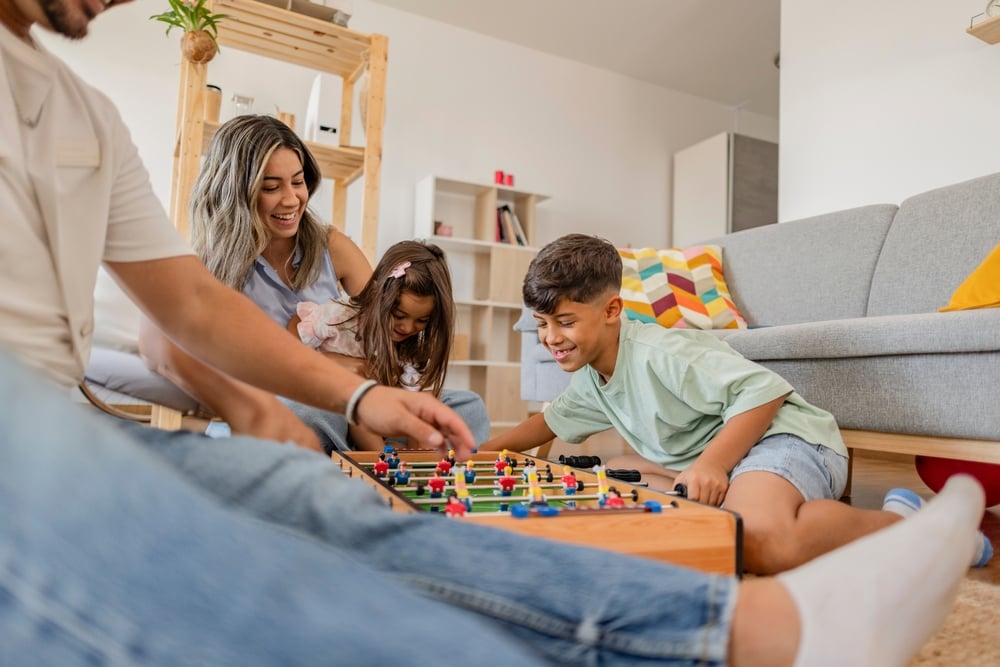
- Make room for a little friendly competition. A board game, backyard contest, or annual family challenge can become something everyone anticipates.
- Do something kind together. Prepare a meal for a neighbor, volunteer, or find another way to help someone in your community.
- Keep a family memory book. Each year, add a photograph, a favorite story, or a few sentences about something memorable.
And remember, you don’t have to do all of these. One simple activity that your family genuinely enjoys is worth more than a dozen traditions that leave everyone exhausted.
What They’ll Carry With Them
Years from now, your children may not remember every meal you prepared or every activity you planned.
But they may remember the laughter around the table, the stories that were told over and over, and the feeling of being part of something special.
They may even find themselves repeating those same traditions with their own children, perhaps adding a few new touches along the way.
That’s one of the beautiful things about family traditions. They connect us not only to the people sitting beside us today, but also to the generations who came before and those who will follow.
So as you gather with the people you love, don’t worry too much about making everything perfect.
Make room for laughter. Listen to the stories. Let the kids help, even if it takes twice as long.
Because sometimes, the moments that seem the most ordinary today become the memories your family treasures tomorrow.
Sources and Further Reading
- American Psychological Association. Family Routines and Rituals May Improve Family Relationships and Health.
- Fiese, B. H., et al. (2002). A Review of 50 Years of Research on Naturally Occurring Family Routines and Rituals. Journal of Family Psychology.
- American Academy of Pediatrics. Your Family Rituals.
- American Academy of Pediatrics. The Importance of Family Routines.