Life Blog
Cutting-edge information and tips for creating health in all areas of life – wellness, nutrition, fitness, attitude, and relationships

June 4, 2026
Chronic Pain: Is It All in Your Head?
The only thing worse than being in pain is being told that “it’s all in your head.” Sadly, people who suffer from chronic pain are often surrounded by family, friends and physicians who don’t believe they’re in pain. Since pain is invisible, it’s quite common for these people to appear “normal” even when in pain. It’s a major reason why even their most supportive and well-meaning friends may not understand how they feel. All Pain is Real Chronic pain affects a third of all Americans and 1.5 billion people globally. This is more people than diabetes, cardiac disease and cancer combined. It’s very unlikely that all of these people are imagining or exaggerating their pain. Chronic pain may be the result of an underlying medical condition such as fibromyalgia, IBS, endometriosis, traumatic injury, arthritis, nerve damage and multiple sclerosis. However, the pain may also be psychogenic, meaning that it’s cause is psychological. What many of us may not realize is that psychogenic pain is just as real as any other pain. As long as it interferes with daily activities, it doesn’t really matter if there is a physical cause. Get the Right Diagnosis for Your Pain People with chronic pain are a lot likelier to get the “all in your head” diagnosis than other patients. It doesn’t help that chronic pain increases the risk of anxiety and depression making it even more difficult to diagnose the real cause. The first step to getting the right diagnosis is keeping a symptoms…

Why Boredom Could Be Killing You, Literally
You might as well add “boredom” to the list of things we’ve survived these past few months. Staying cooped up at home with nothing to do is enough to drive one mad! And it has. We’ve all been bored. Boring zoom meetings. Boring meals. Boring stories. Boring jokes. Ugh! But boredom is more than a…
Learn More
Does Self-Help Work?
Self-help “wisdom” is everywhere these days. New self-help books pop up every day, and social media is overflowing with inspirational quotes from self-help experts. Although people want to improve their lives, many are skeptical of self-help books and personal development gurus because they wonder if it really works. The good news is that research shows…
Learn More
4 Ways to Avoid Caregiver Burnout
Caring for an aging or ailing loved one is never easy – but throw in a fulltime job, kids of your own, and a busy household, and it’s easy to feel overwhelmed fast. Nearly half of all caregivers have trouble balancing work and caregiving, and 20 to 40% of them suffer from depression. But just…
Learn More
When Is Taking Too Many Supplements Dangerous?
Sure, we’d all love to eat nutritionally-balanced, home-cooked meals every day, but that’s not always possible. Sometimes, we have to make do with takeout and frozen dinners. Sadly, most takeout meals and frozen dinners aren’t designed with nutrition or health in mind. If they were, they probably wouldn’t be as popular! Most of us worry…
Learn More
How Vegetarians Can Get Enough Protein
New vegetarians often worry if they’re getting enough protein. Most people associate protein with meat, dairy, and other animal products. Their knowledge of plant-based protein starts and ends with beans! While beans are a good source of plant-based protein, it’s totally possible to get enough protein as a vegetarian without eating beans. But, first, let’s…
Learn More
Diabetes: Beyond Diet and Exercise
The key components of diabetes management are diet, exercise, medication, and regular check-ins with your healthcare team; everyone knows this. It’s the best-known way of preventing long-term complications. However, diet, exercise, and medication are just part of the equation. To truly live well with diabetes, you also need to practice self- care (not everyone knows…
Learn More
Concerned About Memory Lapses?
Everyone has memory lapses. Sometimes we misplace our keys, forget where we parked the car, or lose our train of thought when talking to someone. However, this doesn’t necessarily mean that we’re experiencing cognitive decline or have dementia (what a relief!). Normal Forgetfulness vs. Age-Related Memory Loss vs. Dementia Why you probably don’t have dementia…
Learn More
Rewire Your Brain to Get Rid of Anxiety and Depression
Here’s the amazing thing about your brain: It’s always changing, reorganizing and making new connections between neurons, depending on how you use it. This phenomenon, known as neuroplasticity, is the brain’s natural response to new experiences, thought patterns, and habits. What does any of this have to do with mental health? Interestingly, neuroplasticity can work…
Learn More
Your Brain May be Lying to You and Stealing Your Joy!
Your brain is a powerful machine that can convince you of pretty much anything, including things that aren’t true! It can take a particularly rough morning and turn it into “I have the worst luck in the world!” or a slightly strange look from a stranger becomes “he /she doesn’t like me” or a myriad…
Learn More
How To Order Healthy Takeout Meals
One of the biggest hurdles to eating healthier is that it often requires planning and a trip to the grocery store and meal preparation. It’s one of the reasons why 1 in 3 adults in the US eats takeout (pre-COVID-19). Most people prefer home-cooked food to restaurant food, but that’s not always an option. Sometimes,…
Learn More
Self-shelter Indoors Without Going Crazy During COVID-19
If you want to see what you’re made of and how much you can take, self-shelter in close quarters with friends or loved ones for a few days or a month. Oh wait, that’s what you’re doing now, so…how’s it going? Staying indoors for days on end makes you restless and irritable, especially if you’re…
Learn More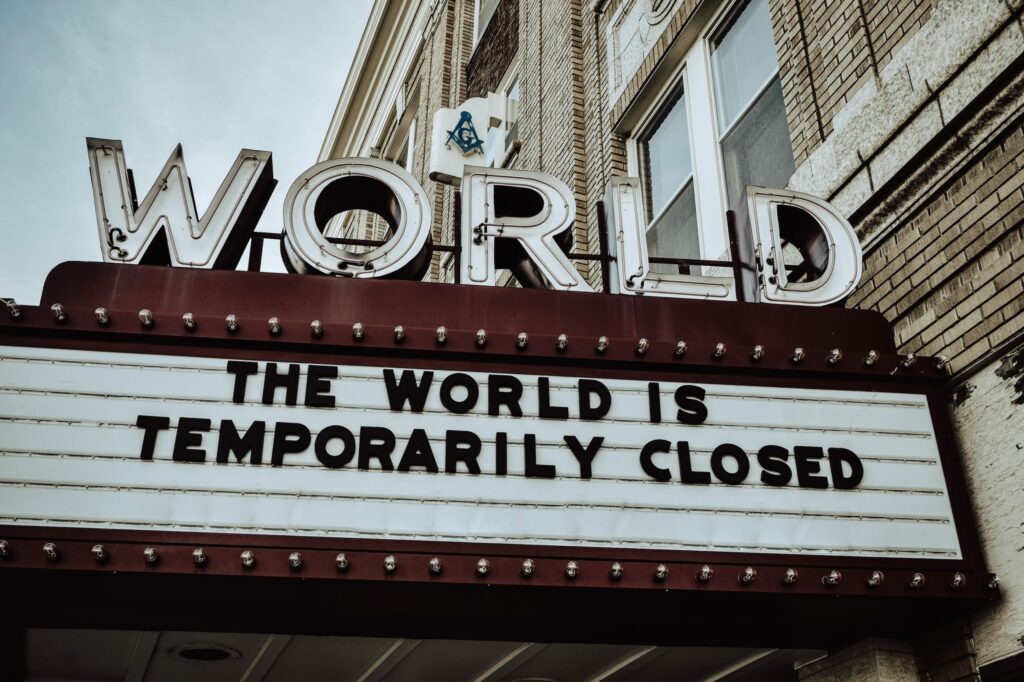
Being Hopeful & Heroic During COVID-19
People are afraid. How can they not be? Images of cities turned into ghost towns, fatigued hospitals, medical tents popping up across the country, and grim projections that more than 100,000 people in the United States might die from COVID-19, perhaps 200,000. People are out of work; paychecks have stopped. Businesses have shuttered; the hopes…
Learn More