Life Blog
Cutting-edge information and tips for creating health in all areas of life – wellness, nutrition, fitness, attitude, and relationships

April 16, 2026
Are Artificial Sweeteners Healthier Than Sugar?
When people “quit sugar” they often switch to an artificial, calorie-free sweetener. Today, these sweeteners are widely used in soft drinks, chewing gum, candy, jellies, dairy products and many other foods and drinks. There are six FDA approved calorie-free sweeteners: acesulfame, aspartame, neotame, saccharin, Stevia and sucralose. Any product that is labelled “sugar free” or “diet” contains one or more of these sweeteners. Just what is in these sweeteners and are they any healthier than sugar? Artificial Sweeteners and Weight Gain Sweeteners give you all the sweetness of sugar with none of the calories. They are a good alternative for diabetics because they have no effect on blood sugar levels. What more could you ask for, right? Unfortunately, it’s not that simple. Research shows that artificial sweeteners may be beneficial in the short-term but can lead to weight gain in the long term. Even though they are calorie-free, they are still capable of stimulating the development of new fat cells. Artificial Sweeteners and Cravings Sugar substitutes keep your sugar cravings alive. They may be able to fool your taste buds but they can’t fool your brain. When you consume a sugary treat, dopamine, the pleasure and reward chemical, is released in the brain. Unfortunately, artificial sweeteners do not trigger the release of dopamine, so the cravings do not go away. As a result, you’re more likely to binge on sugar and other unhealthy foods later on. In addition, artificial sweeteners are several times sweeter than sugar and regular use can…

Rewire Your Brain to Get Rid of Anxiety and Depression
Here’s the amazing thing about your brain: It’s always changing, reorganizing and making new connections between neurons, depending on how you use it. This phenomenon, known as neuroplasticity, is the brain’s natural response to new experiences, thought patterns, and habits. What does any of this have to do with mental health? Interestingly, neuroplasticity can work…
Learn More
Your Brain May be Lying to You and Stealing Your Joy!
Your brain is a powerful machine that can convince you of pretty much anything, including things that aren’t true! It can take a particularly rough morning and turn it into “I have the worst luck in the world!” or a slightly strange look from a stranger becomes “he /she doesn’t like me” or a myriad…
Learn More
How To Order Healthy Takeout Meals
One of the biggest hurdles to eating healthier is that it often requires planning and a trip to the grocery store and meal preparation. It’s one of the reasons why 1 in 3 adults in the US eats takeout (pre-COVID-19). Most people prefer home-cooked food to restaurant food, but that’s not always an option. Sometimes,…
Learn More
Self-shelter Indoors Without Going Crazy During COVID-19
If you want to see what you’re made of and how much you can take, self-shelter in close quarters with friends or loved ones for a few days or a month. Oh wait, that’s what you’re doing now, so…how’s it going? Staying indoors for days on end makes you restless and irritable, especially if you’re…
Learn More
Being Hopeful & Heroic During COVID-19
People are afraid. How can they not be? Images of cities turned into ghost towns, fatigued hospitals, medical tents popping up across the country, and grim projections that more than 100,000 people in the United States might die from COVID-19, perhaps 200,000. People are out of work; paychecks have stopped. Businesses have shuttered; the hopes…
Learn More
Are Naps Really Good For Your Health?
Many people around the world love a good nap. In fact, siestas are an integral part of some cultures. A quick nap boosts productivity and performance, according to some research. But, other studies (perhaps controversial) indicate a connection between napping and mortality. Napping during the day increases the risk of premature death by up to a third!…
Learn More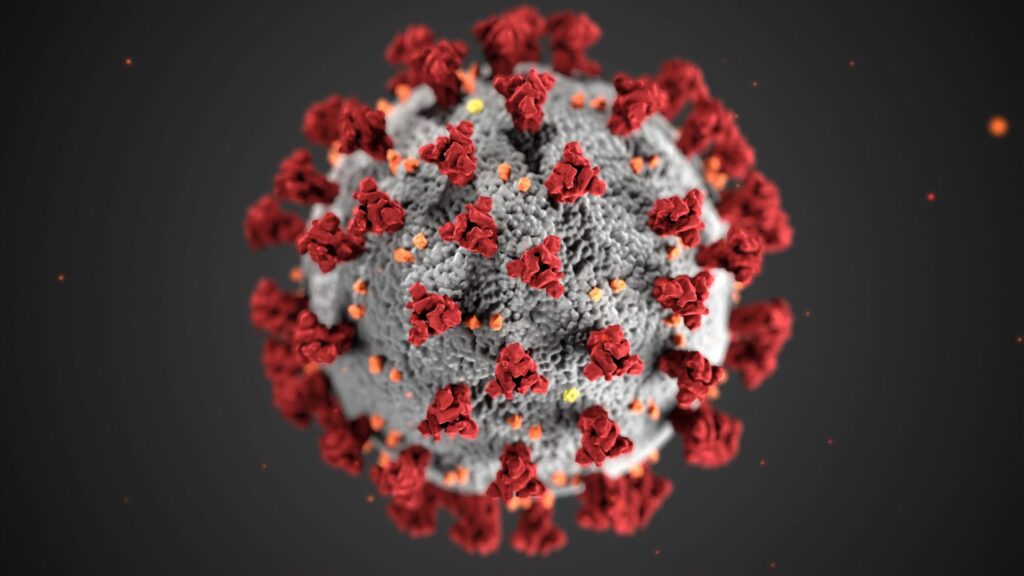
How To Protect Yourself From The Coronavirus
The World Health Organization announced on March 11, 2020, that the Corona Virus (COVID-19) is a pandemic. Although we watched COVID-19 shut down China, Italy, Germany, Spain, with more countries being added to the list daily, it’s real now because it’s on our doorstep, not thousands of miles away. So let’s talk about how you…
Learn More
Keep Your Kids Healthy & Germ-Free at School
Schools and child care centers are teeming with germs and contagious illnesses. Common infections like the flu, colds, stomach bugs, ear infections, and pink eye spread like wildfire. Most parents wish they could do more to protect their children. Even worse, kids bring these illnesses home and infect their siblings, parents, and other family members,…
Learn More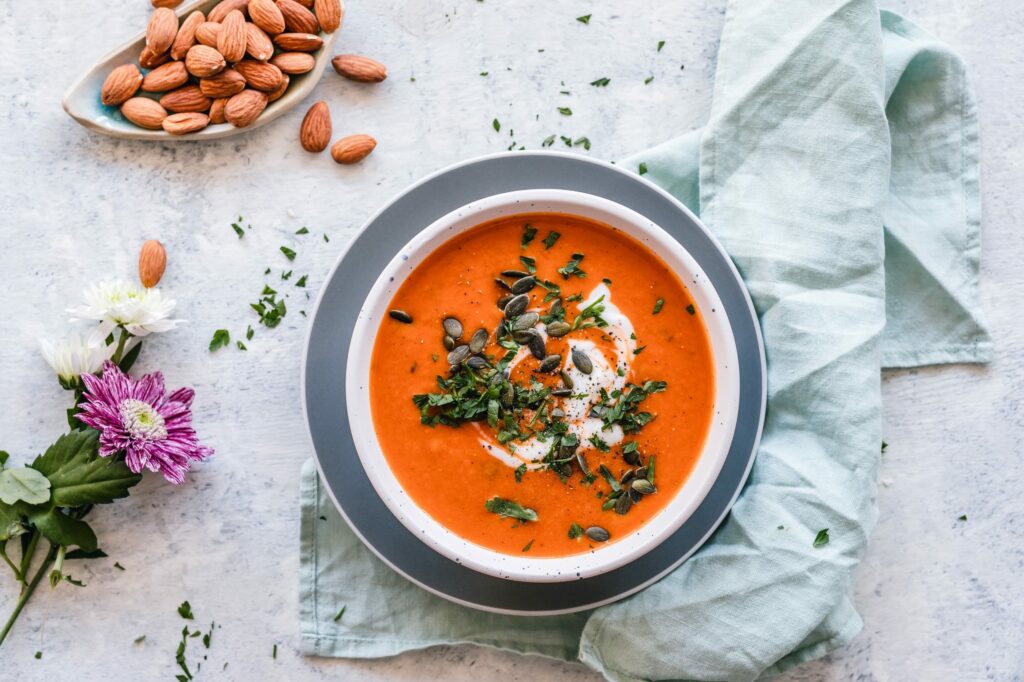
Tired of Salads and Smoothies? Try This Instead
Healthy foods have an image problem. In most people’s minds, the word ‘healthy” is synonymous with blandness, boring! It’s no surprise that many people only eat healthy food when they’re on a diet. They eat unhealthy foods most of the time and only have a salad or chug a green smoothie every once in a…
Learn More
Speech and Language Problems: When Words Come Out Wrong
Speech is the main way we communicate with others. It develops naturally and requires the coordination of multiple body parts, including the brain, mouth, jaw, chest, neck, and abdomen (and you thought saying “What’s up?” was easy). Many people deal with language disorders, making it challenging to communicate with others. Sometimes, a person knows what…
Learn More
Is It A Cold or Pneumonia?
Most of us only know about one type of pneumonia — the one that hospitalizes about 1 million people every year. However, there’s another kind called walking pneumonia, whose symptoms are very similar to the common cold or flu. About two million people in the US catch walking pneumonia every year. Most think it’s a…
Learn More
How to Disclose a Difficult Diagnosis to Your Loved Ones
Having a serious illness like cancer, heart disease, or ALS can be very lonely, and no one should try to bear it alone. First, it isn’t practical to hide something that serious from friends and family without them noticing that something is troubling you. Second, acting like everything is okay when it’s not, requires energy…
Learn More