Life Blog
Cutting-edge information and tips for creating health in all areas of life – wellness, nutrition, fitness, attitude, and relationships
June 11, 2026
Keeping Your Bones Strong As You Grow Older
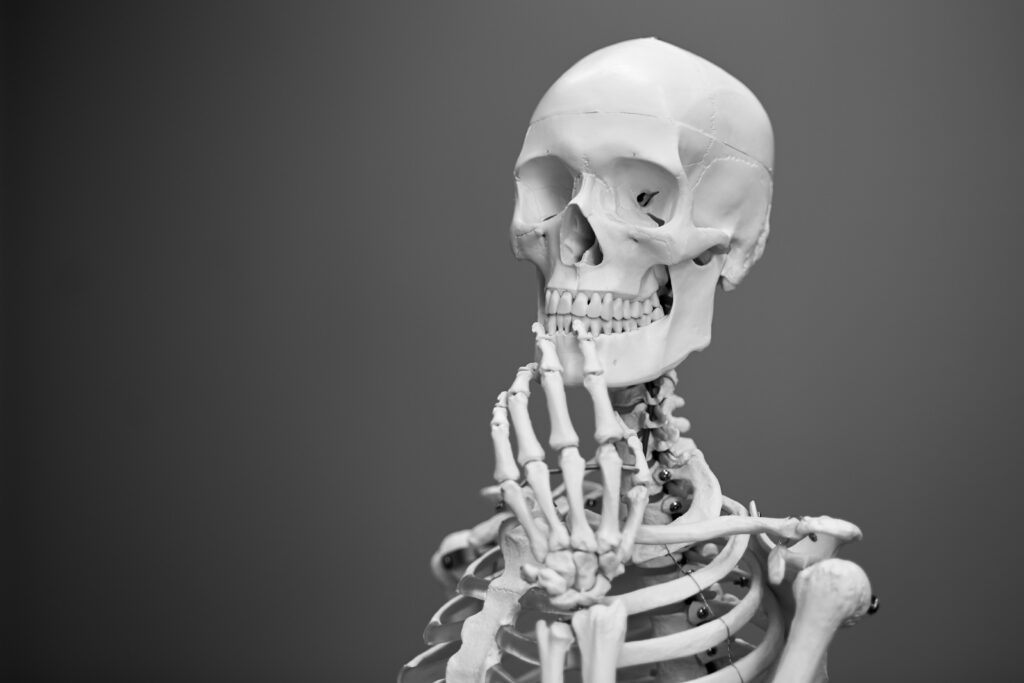
55% of Americans over the age of 50 have osteoporosis or low bone mass. That’s more than 40 million people! Osteoporosis is a condition that makes bones brittle, greatly increasing the risk of fractures. It is, therefore, no surprise that about 75% of hip, spine and forearm fractures occur in older adults, especially post-menopausal women. While these statistics are scary, osteoporosis is not an inevitable part of aging. In fact, it’s both preventable and treatable. Should You Get Tested for Osteoporosis? Osteoporosis is one of the most underdiagnosed conditions. There are way too many people walking around with it who probably won’t realize they have it until they fracture a bone. The best way to know if you have osteoporosis is to get a bone mineral density test, often referred to as a BMD test. It’s a quick painless test that uses x-rays to measure bone mass and the specific amount of minerals in certain areas of your bones. You shouldn’t wait until symptoms appear before getting the BMD test. If you’re a post-menopausal woman or have other risk factors for osteoporosis, such as long term use of oral steroids, get tested. Even if your physician says you are in the normal range, remember to get retested every year or every other year. How To Build Bone Mass Start Early Bone mass increases steadily until the age of 30. After that, bones start to break down faster than new ones are made, leading to bone loss. If you take care…

Put Away the Scale for Now
Tracking your weight can be frustrating, especially if you have more than a few pounds to lose because weight can fluctuate by more than a few pounds a day. To complicate matters, when you’re thirsty, your body panics and retains water, causing you to weigh even more. When you’re adequately hydrated, your body drops the…
Learn More
How To Boost the Brain Chemicals that Make You Happy
When someone asks what makes us happy, we often think of our family and friends, circumstances, and possessions. However, happiness has more to do with the chemicals in our brains than with what’s going on in our lives. In fact, there are four main neurotransmitters associated with the feelings we refer to as happiness: endorphins,…
Learn More
Science-based Portion Control Tips for the Holiday Season
The average person gains about one pound during the six weeks between Thanksgiving and New Year’s. It may seem like a small price to pay for enjoying your favorite holiday treats, but it’s quite difficult to shed that weight after the festivities. And you know what? That holiday weight gain tends to stick around year…
Learn More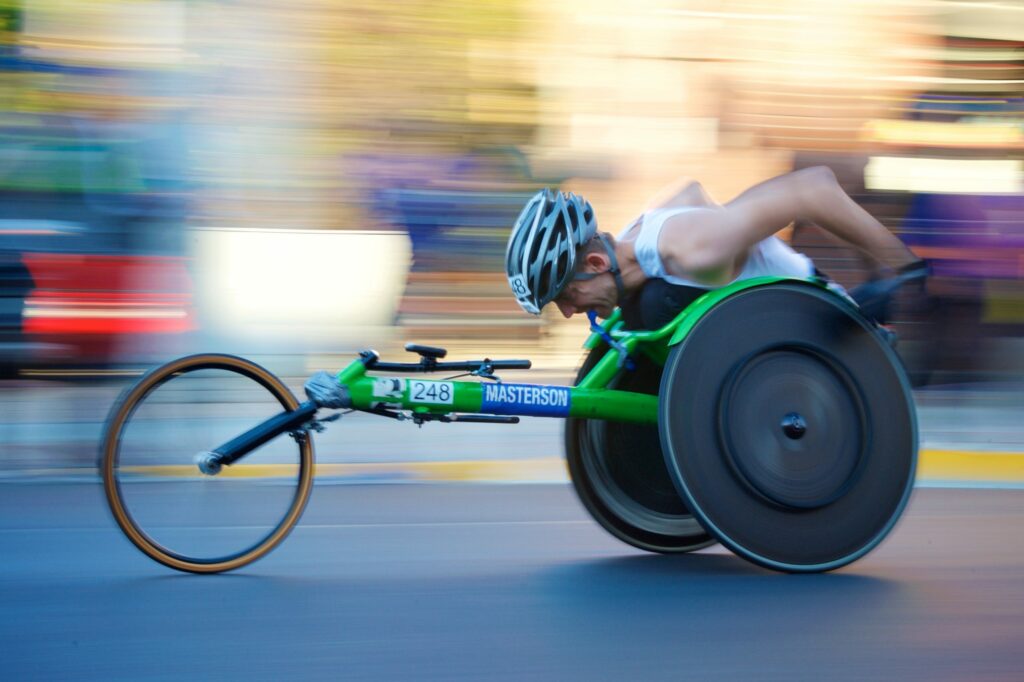
How To Push Past Your Physical Limits
Few people push their bodies past their physical limits like Olympic athletes, who’ve proven over and over that when it comes to endurance, strength, and speed, our bodies are capable of far more than we ever thought possible. What if we could learn from these athletes and incorporate their best practices into our workouts? Understanding…
Learn More
Would You Know If You Had A Stroke?
Did you know that half of all stroke victims don’t realize when they’re having a stroke? Since they assume that the symptoms they’re experiencing will go away on their own, they typically wait three and a half hours before seeking medical treatment. This is dangerous because time is critical when treating stroke. What makes it…
Learn More
Why Loneliness Is A Greater Health Risk Than Obesity
Everyone knows the health risks of obesity, how it leads to a myriad of harmful health conditions, including hypertension, type 2 diabetes, heart disease, stroke, and worst of all, death. However, few people know that being lonely and socially isolated is much worse for physical health than being obese or smoking 15 cigarettes a day,…
Learn More
Decoupling Exercise From Weight, Calories & Food
Many people have a love-hate relationship with exercise. They view exercise as a kind of penance for a bad diet or an unhealthy lifestyle, and the mere thought of exercise invokes feelings of shame, fear, and self-judgment. It’s why so many people feel the need to hit the gym after the holiday season, and why…
Learn More
The Whys and Hows of Addiction
Addiction is a complex and chronic disease that affects millions of people worldwide. Even so, many misconceptions remain. This article attempts to provide answers to some of the whys and hows of addiction. Who is at risk for addiction? Anyone can become addicted. Nonetheless, some risk factors significantly increase the odds of addiction. Genetics account…
Learn More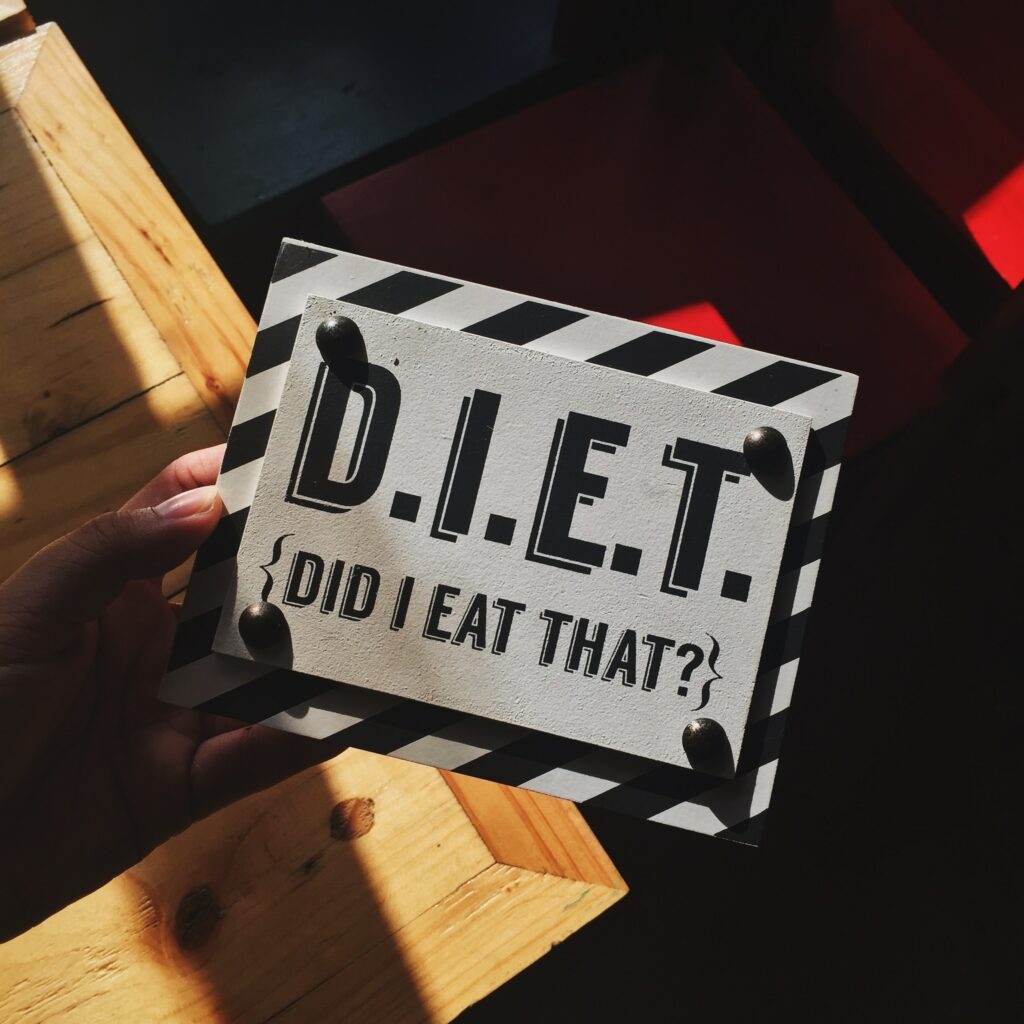
Live Diet-Free for Life!
Life today is rife with diet culture. So many people seem to be at war or have an unhealthy relationship with food. The rules are continually changing, and foods that were good a couple of years ago are now on the bad list. This obsession with diet is exhausting, and it doesn’t seem to be…
Learn More
Parental Burnout: Why Self-Care is Child Care
Parenting is demanding, especially when you have more than one kid because then you’re outnumbered! Raising healthy, happy kids is hard enough by itself but when you add all of your other responsibilities to the mix, life can become overwhelming pretty fast. Even so, parents rarely admit when they’re struggling or feeling overwhelmed because…
Learn More
Foods That Should Lose Their Health Halo
Some foods are wearing a “healthy” halo they don’t deserve. People mistakenly believe they’re the healthier option because that’s what the commercial claimed, and they eat them without question. Not all “health foods” are healthy but are considered healthy because of clever marketing. For instance, due to a successful marketing campaign in the 90s, many…
Learn More
What TV Gets Wrong About Mental Illness
More than 45 million Americans experience mental illness every year. That’s about 1 in 5 adults. There’s so much stigma surrounding this ailment that people go to great lengths to hide their mental health condition, including failing to seek or dropping out of treatment. A huge chunk of the negative stereotypes and misconceptions surrounding mental…
Learn More