Life Blog
Cutting-edge information and tips for creating health in all areas of life – wellness, nutrition, fitness, attitude, and relationships
October 22, 2026
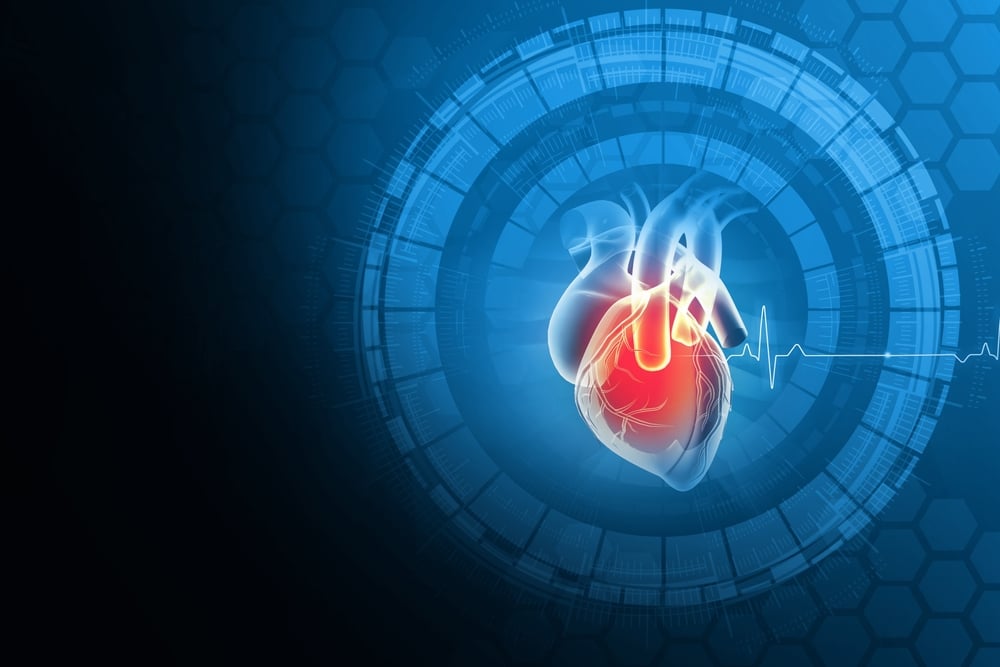
Would You Recognize a Heart Attack?
Heart attacks don’t always look like they do on television. Learn the warning signs you shouldn’t ignore and why protecting your heart begins long before symptoms appear. If you’ve watched enough medical dramas, you probably think you know what a heart attack looks like. Someone suddenly clutches their chest, gasps for air, and collapses while everyone rushes around shouting for a doctor. Hollywood certainly knows how to make an entrance. But in real life, a heart attack doesn’t always come with that kind of drama. Sometimes the symptoms are surprisingly subtle. And that’s part of what makes heart disease so dangerous. People may not recognize what’s happening until precious time has passed. So, would you recognize a heart attack if it happened to you or someone you love? A Heart Attack Isn’t Always What You Expect According to the American Heart Association, chest discomfort is the most common warning sign of a heart attack. But it doesn’t always feel like a sharp, crushing pain. Some people describe pressure, squeezing, fullness, or tightness in the center of the chest. The discomfort may last several minutes or disappear and return. And chest discomfort isn’t the only symptom. Other warning signs include: Pain or discomfort in one or both arms, the back, neck, jaw, or stomach Shortness of breath, even without chest discomfort Breaking out in a cold sweat Nausea or lightheadedness Unusual weakness or fatigue Some heart attacks begin suddenly and intensely. Others develop more gradually, with symptoms that are easy to…

How To Plan The Best Staycation Ever!
Every summer, many people put aside their work, daily stresses and responsibilities and escape on a vacation, somewhere far away from reality. It may be a secluded retreat in the mountains, a camping trip with the kids, an arranged tour in another country, an Alaskan cruise, or days relaxing at an exotic beach or resort….
Learn More
What Causes Diabetes?
There are three basic types of diabetes mellitus: Type 1 diabetes Type 2 diabetes Gestational diabetes The causes and risk factors are different for each type. Type 1 Diabetes Type 1 diabetes is also called Insulin-dependent diabetes. It’s a chronic condition in which your pancreas produces minimal or no insulin. Insulin is the hormone that…
Learn More
What’s So Healthy About A Whole-Food, Plant-Based Diet Anyway?
According to research, a whole-food, plant-based diet improves health and longevity because it focuses on plants and minimizes processed foods. But, it’s more a lifestyle than a diet. Basic Principles of a Whole-food, Plant-based Diet Focuses on plants and plant products – you eat mostly vegetables, fruits, seeds and nuts, legumes, and whole grains. Limits…
Learn More
Top 10 Benefits Of Essential Oils
Essential oils have many benefits. In this post we’ll discuss their top 10 uses. But you need to know how to use them for maximum benefit. Here to use essential oils properly: Aromatherapy – Diffuse the essential oil into an aromatherapy diffuser (works best in a smaller room) and breathe deeply. It might be possible…
Learn More
8 Healthy Eating Tips to Boost Mood, Health, And Longevity
Who says healthy eating is difficult? Well, by following these eight simple dietary habits, healthy eating can become your second nature. Whole grains instead of refined foods Whole grains retain their bran and germ. Examples: oatmeal, wheat, barley, millet, whole rye. They include many important nutrients, such as proteins, vitamins, minerals, antioxidants, and fiber. Whole…
Learn More
Weight Training Tips For Beginners
Weight training is a great way to increase your self-confidence, fitness, and functionality, and, of course, your overall quality of life. So, congratulations on your decision to begin working out! People have different reasons for why they want to start working out. It could be to get stronger, look better, improve sports performance, or to…
Learn More
What To Do When Things Don’t Go Your Way
When we were young, our parents had their ways of telling us that we won’t always get what we want. There were times that we resented them for it, but as we got older, we realized those denials actually had nuggets of wisdom in them. It’s easy to conclude that life’s out to get us…
Learn More
4 Ways You’re Making Life Harder Than It Has To Be
Making life harder than it needs to be is silly! But that’s what a lot of us do. Maybe we do it because it makes us feel more in control…or because we want everything to be perfect. Whatever the reason, here are four ways people make life way harder than it has to be. Do…
Learn More
5 Tricks That Let You Eat MORE but Weigh Less!
Eating more and weighing less – Is it possible? Although this topic seems to resemble one of those outrageous infomercials you stumble across at 2 a.m. when you can’t sleep, it isn’t so. In this article, you’ll find 5 cool and tricky ways of how to weigh less while eating more! Most of us believe…
Learn More
What’s The Difference Between Complementary and Alternative Medicine?
Complementary and alternative medicine fall outside of mainstream health care. And although most people believe these two terms are the same, they’re not. There are many differences. Complementary medicine refers to treatments used alongside traditional medicine. Alternative medicine means treatments that are used instead of traditional medicine. These treatments can be risky to patients, which…
Learn More
4 Ways to Enjoy Life More!
There are so many ways we can improve the quality of our life. Usually, it starts by choosing a healthier lifestyle. What is a healthy lifestyle? Many people think that diet and exercise are pretty much the only important factors when creating a healthy lifestyle, but that isn’t so. A healthy life includes your physical,…
Learn More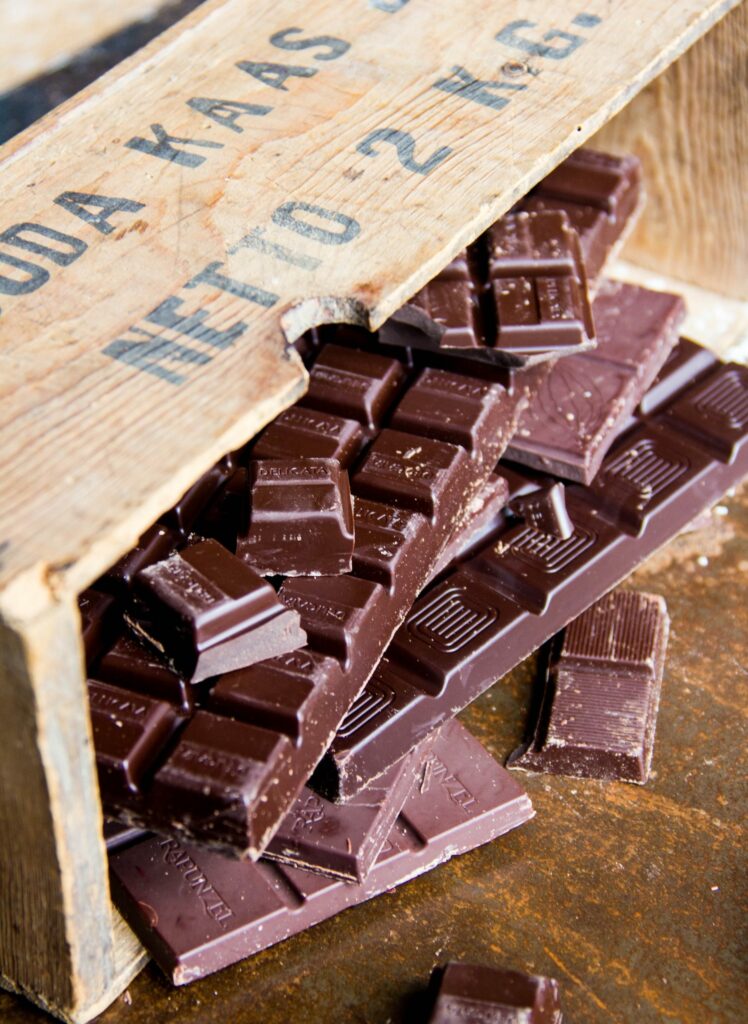
Sweet Tooth? Reach for Dark Chocolate
Who doesn’t have a sweet tooth? Well, not only will dark Chocolate satisfy it, but it comes with several health benefits too. (Just to be clear, we’re not talking about a Milky Way candy bar – we’re talking about high-quality dark Chocolate.) Chocolate is one of the most popular comfort foods on the planet. Since…
Learn More