Life Blog
Cutting-edge information and tips for creating health in all areas of life – wellness, nutrition, fitness, attitude, and relationships
April 16, 2026
Are Artificial Sweeteners Healthier Than Sugar?
When people “quit sugar” they often switch to an artificial, calorie-free sweetener. Today, these sweeteners are widely used in soft drinks, chewing gum, candy, jellies, dairy products and many other foods and drinks. There are six FDA approved calorie-free sweeteners: acesulfame, aspartame, neotame, saccharin, Stevia and sucralose. Any product that is labelled “sugar free” or “diet” contains one or more of these sweeteners. Just what is in these sweeteners and are they any healthier than sugar? Artificial Sweeteners and Weight Gain Sweeteners give you all the sweetness of sugar with none of the calories. They are a good alternative for diabetics because they have no effect on blood sugar levels. What more could you ask for, right? Unfortunately, it’s not that simple. Research shows that artificial sweeteners may be beneficial in the short-term but can lead to weight gain in the long term. Even though they are calorie-free, they are still capable of stimulating the development of new fat cells. Artificial Sweeteners and Cravings Sugar substitutes keep your sugar cravings alive. They may be able to fool your taste buds but they can’t fool your brain. When you consume a sugary treat, dopamine, the pleasure and reward chemical, is released in the brain. Unfortunately, artificial sweeteners do not trigger the release of dopamine, so the cravings do not go away. As a result, you’re more likely to binge on sugar and other unhealthy foods later on. In addition, artificial sweeteners are several times sweeter than sugar and regular use can…

Get a Better Workout in Less Time
Some people really love working out, but most want to get their workout done as fast as possible. They’re always looking for the ultimate bang-for-your-buck workouts that get them the best results in the shortest time! Compound exercises are the easiest way to take your workout from good to great without spending more time in…
Learn More
Coping With Hairloss?
Although baldness is an intentional choice for some people, most desire a full, healthy head of hair because they feel more confident and attractive. Unfortunately, about half of us will experience some form of hair loss before the age of 50. The exact numbers, according to the American Hair Loss Association, are 50% of men…
Learn More
How To Control Your Cravings
Do you ever crave certain foods, like crawling across shards of broken glass kind of cravings? That might be a bit extreme, but you get the idea. Food cravings are a universal struggle. One hundred percent of young women and seventy percent of young men experience them; scientists have yet to find a “cure.” But…
Learn More
When Your Whole Body Hurts
It’s early in the New Year, and people are crowding the gyms to get in shape. If you’re one of them, chances are your body is hurting all over! Usually, when pain occurs in one part of the body, it’s easy to pinpoint the cause. But generalized aches and pains are another story and are…
Learn More
Put Away the Scale for Now
Tracking your weight can be frustrating, especially if you have more than a few pounds to lose because weight can fluctuate by more than a few pounds a day. To complicate matters, when you’re thirsty, your body panics and retains water, causing you to weigh even more. When you’re adequately hydrated, your body drops the…
Learn More
How To Boost the Brain Chemicals that Make You Happy
When someone asks what makes us happy, we often think of our family and friends, circumstances, and possessions. However, happiness has more to do with the chemicals in our brains than with what’s going on in our lives. In fact, there are four main neurotransmitters associated with the feelings we refer to as happiness: endorphins,…
Learn More
Science-based Portion Control Tips for the Holiday Season
The average person gains about one pound during the six weeks between Thanksgiving and New Year’s. It may seem like a small price to pay for enjoying your favorite holiday treats, but it’s quite difficult to shed that weight after the festivities. And you know what? That holiday weight gain tends to stick around year…
Learn More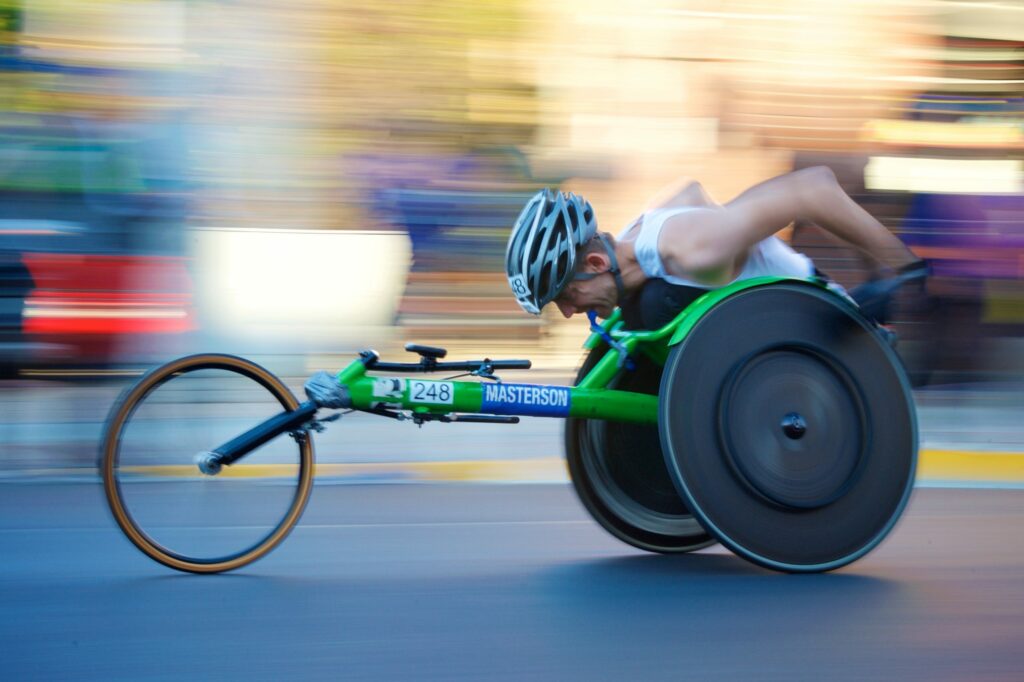
How To Push Past Your Physical Limits
Few people push their bodies past their physical limits like Olympic athletes, who’ve proven over and over that when it comes to endurance, strength, and speed, our bodies are capable of far more than we ever thought possible. What if we could learn from these athletes and incorporate their best practices into our workouts? Understanding…
Learn More
Would You Know If You Had A Stroke?
Did you know that half of all stroke victims don’t realize when they’re having a stroke? Since they assume that the symptoms they’re experiencing will go away on their own, they typically wait three and a half hours before seeking medical treatment. This is dangerous because time is critical when treating stroke. What makes it…
Learn More
Why Loneliness Is A Greater Health Risk Than Obesity
Everyone knows the health risks of obesity, how it leads to a myriad of harmful health conditions, including hypertension, type 2 diabetes, heart disease, stroke, and worst of all, death. However, few people know that being lonely and socially isolated is much worse for physical health than being obese or smoking 15 cigarettes a day,…
Learn More
Decoupling Exercise From Weight, Calories & Food
Many people have a love-hate relationship with exercise. They view exercise as a kind of penance for a bad diet or an unhealthy lifestyle, and the mere thought of exercise invokes feelings of shame, fear, and self-judgment. It’s why so many people feel the need to hit the gym after the holiday season, and why…
Learn More
The Whys and Hows of Addiction
Addiction is a complex and chronic disease that affects millions of people worldwide. Even so, many misconceptions remain. This article attempts to provide answers to some of the whys and hows of addiction. Who is at risk for addiction? Anyone can become addicted. Nonetheless, some risk factors significantly increase the odds of addiction. Genetics account…
Learn More