Life Blog
Cutting-edge information and tips for creating health in all areas of life – wellness, nutrition, fitness, attitude, and relationships
October 1, 2026
Creatine After 40: Is It Worth Another Look?
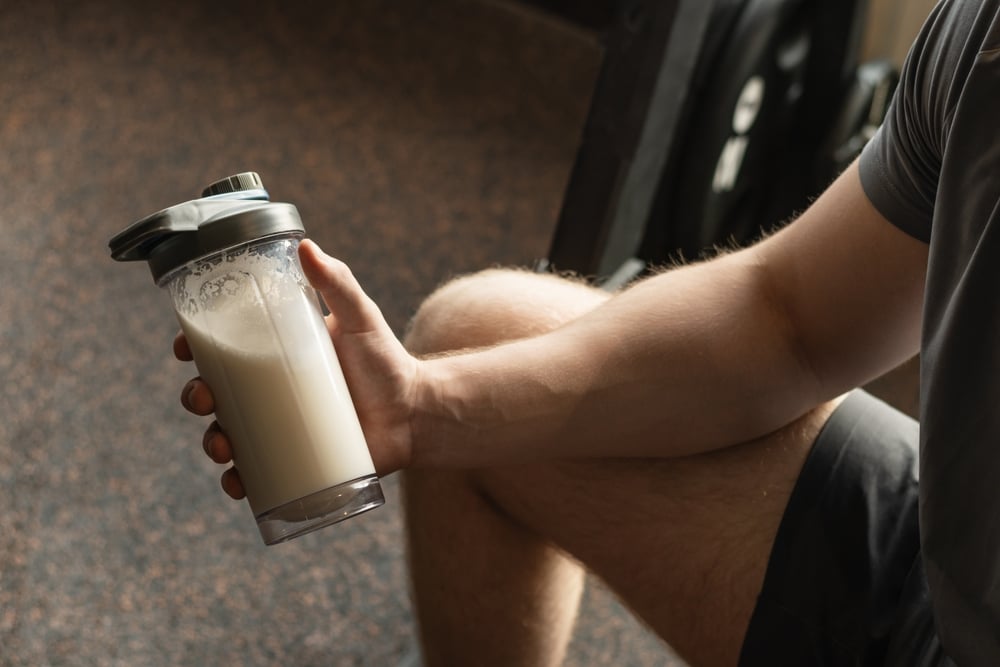
For years, creatine had a certain image. You probably pictured a giant plastic tub sitting beside a gym bag belonging to a 22-year-old guy who spends an impressive amount of time looking at his biceps in the mirror. But creatine has grown up. Researchers are increasingly interested in what this familiar sports supplement may offer the rest of us, particularly as we get older and maintaining muscle and strength becomes more important. Why Strength Matters More Than You Think As we age, maintaining muscle becomes about a lot more than appearance. Strength helps us climb stairs, carry groceries, get up from the floor, travel, play with grandchildren and continue doing the everyday things that make life enjoyable. That’s why resistance training becomes increasingly important as we get older. Research suggests that adding creatine to resistance training may lead to greater improvements in lean tissue and strength than resistance training alone. Notice the important words there: adding creatine to resistance training. Creatine isn’t replacing the workout. So, What Does Creatine Actually Do? Your body already makes creatine, and you also get some from foods such as meat and fish. Most of it is stored in your muscles, where it helps your body produce energy quickly during short bursts of effort, like lifting weights or climbing a steep hill. Creatine supplementation increases the amount available to your muscles, which can help with repeated high-intensity efforts and support the work you’re doing in the gym. It isn’t a stimulant. It isn’t a steroid. And…
Put Away The Scale (for now)!
Tracking your weight can be frustrating, especially if you have more than a few pounds to lose. Besides, body weight can fluctuate by a few pounds a day, making it even more frustrating! When you’re thirsty, your body panics and retains water, causing you to weigh more. When you’re adequately hydrated, your body drops the…
Learn More
5 Reasons Pet Owners Are Healthier & Happier!
Pets. There’s just something about them that makes us feel good! So good, in fact, that pet owners visit their doctor less often than non-pet owners. While this is true, few people know the reasons why, until now. Healthier Heart and Lower Blood Pressure Pet ownership, especially dog ownership, is associated with a lower risk…
Learn More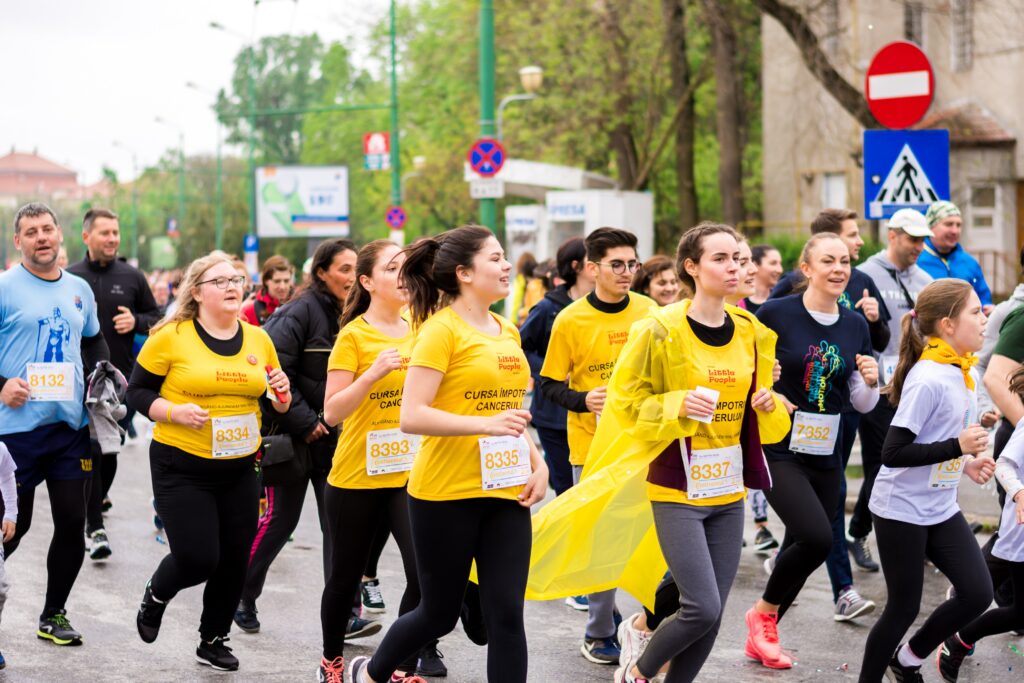
Why Everyone Should Run a 5K
More than 8 million people run 5Ks every year, making it the most popular race in America. If you’re not a runner, you’ve probably wondered what’s so special about a 5K. The K in 5K stands for kilometer; a 5K is basically a 3.18-mile run. It’s the perfect run for a beginner because it…
Learn More
Get Your Energy Back After Being Ill
Here’s why you felt weak and crummy after that cold, flu, or stomach bug. It’s because your body worked extra hard to fight off the illness. It’s the job of your white blood cells to regenerate and repair the daily wear and tear of the muscles. But when you’re sick or get an infection, they…
Learn More
4 Steps to Greater Health & Happiness
Are you really healthy if you’re in great physical condition but other parts of your life are filled with pain or discomfort? Sure, you might’ve passed those doctor-ordered medical tests with flying colors, and were deemed healthy. But if you’re feeling stressed out or are struggling with relationships and loneliness, although you might be healthy…
Learn More
Recovering From a Stroke
A stroke occurs when a blood clot or fragmented blood vessel blocks blood flow to the brain. It’s the fifth leading cause of death in America, so it’s no wonder that most people know someone who’s had a stroke. Post-stroke recovery is a slow and uncertain process. It begins as soon as the patient is…
Learn More
High Intensity Interval Training Will Change the Way You Exercise!
High Intensity Interval Training (HIIT) is one of the top five fitness trends in the world, according to the American College of Sports Medicine. It combines short bursts of intense activity with periods of less intense activity or rest. High intensity exercise raises your heart rate to above 90% and forces your body into an…
Learn More
Boost Your Mood In Minutes
We’ve known for a while that exercise boosts mood. That’s why going for a walk at the end of a stressful day makes us feel better and happier. But, just how many minutes of physical activity does it take to improve mental wellbeing? Are we talking about an hour or two? Turns out, scientists have…
Learn More
The Five Best Ways To Protect Your Skin From The Sun
Summer is finally here! Lazy days at the beach, pool parties, and ball games. Summer is so much fun. So, go ahead and enjoy the outdoors ‘til your heart is content. Just remember to take care of your skin by giving it the nutrients and protection it needs. Sun Exposure: The Good News and Bad…
Learn More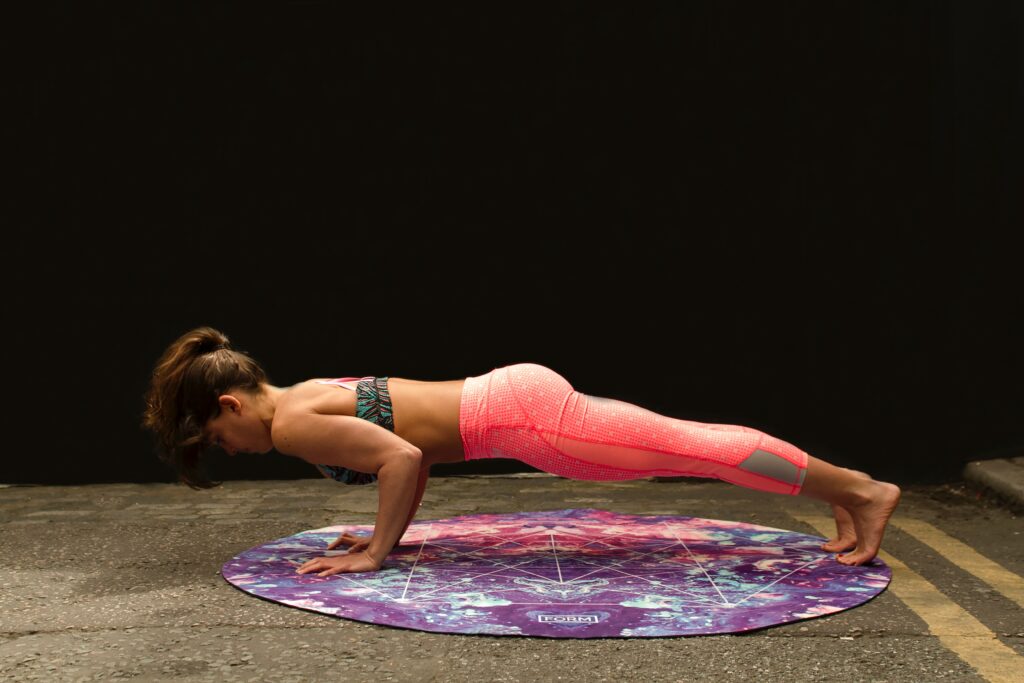
How to Build a Stronger Core!
When most of us think about core strength, the first thing that comes to mind is abs. Having a flat tummy and six-pack are nice, but the benefits of core strength go far beyond aesthetics. Your core muscles help you stay upright. They affect every movement that requires stability and balance, including bending over to…
Learn More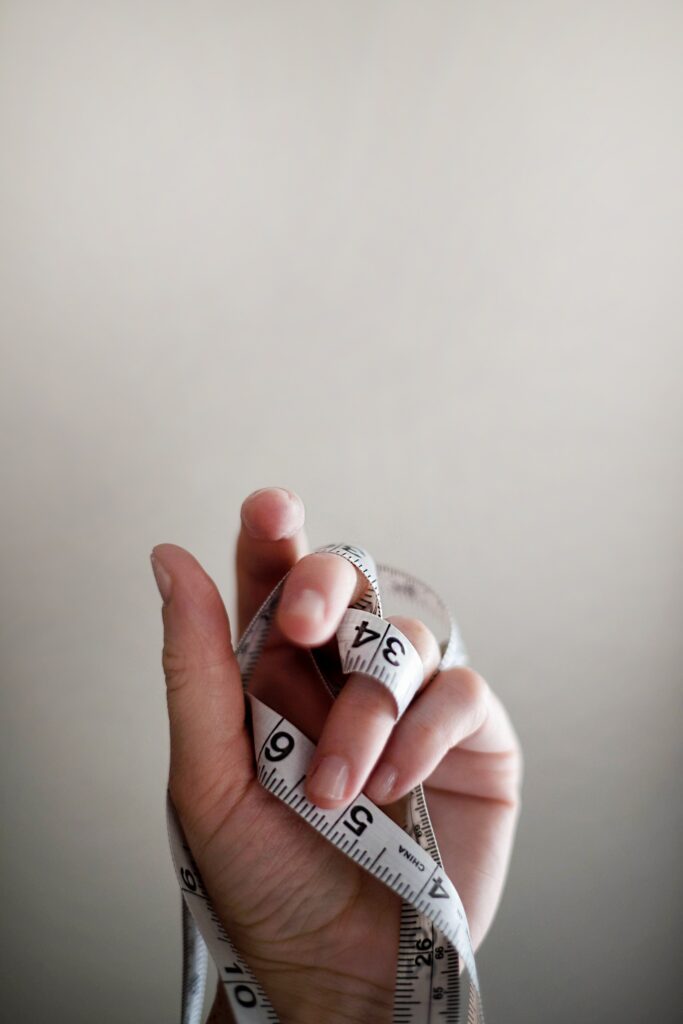
Three Things You Must Know About Metabolic Syndrome
Although many people have metabolic syndrome, few know much about it. The American Heart Association estimates that one in six Americans has it. Metabolic syndrome – formerly known as “Syndrome X” – isn’t a disease but a group of risk factors such as obesity, insulin resistance, high triglycerides, low levels of “good” cholesterol (HDL), and…
Learn More
Alzheimer’s Can Affect Young People Too
While Alzheimer’s is most common in older adults, it sometimes affects young people in their 20s and 30s. This form of Alzheimer’s is known as early-onset Alzheimer’s. Experts aren’t really sure what triggers Alzheimer’s disease in young people. Some people have the three main genes for the disease, which can be identified through genetic tests….
Learn More