Life Blog
Cutting-edge information and tips for creating health in all areas of life – wellness, nutrition, fitness, attitude, and relationships
March 26, 2026
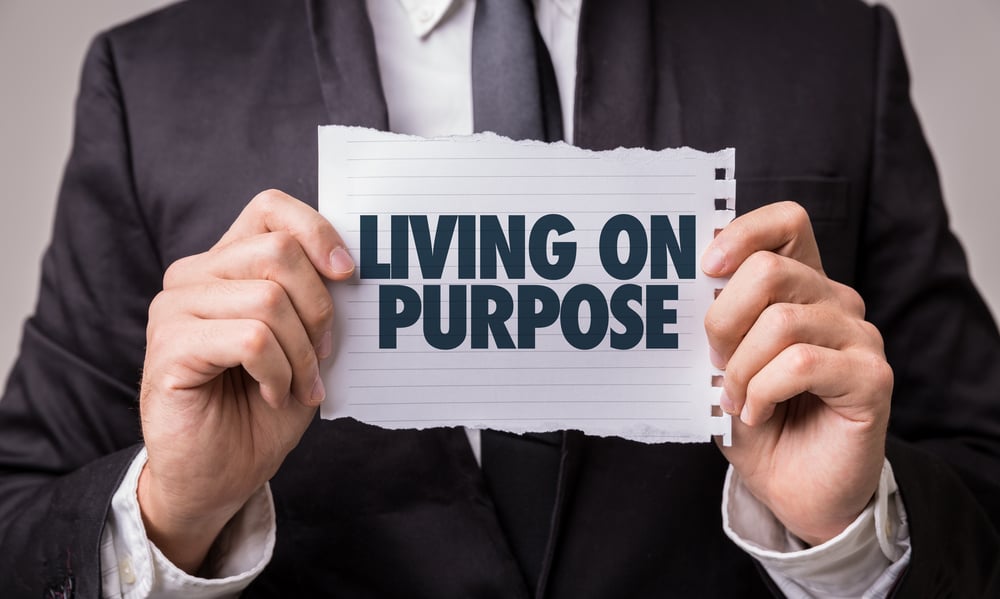
Finding Your Purpose: Whole-Person Health Starts Here
Let’s be honest: life can feel like a never-ending treadmill of work, errands, and responsibilities. And somewhere between laundry and lunch, it’s easy to ask yourself: “Is this it? Is this all there is?” You’re not alone. Every human wonders about meaning, impact, and purpose—what some call “Existence.” Here’s the deal: having a sense of purpose isn’t just inspiring—it’s actually good for your mind, body, and overall health. Research shows that people with a clear sense of meaning report: Lower stress levels Higher resilience Better life satisfaction Purpose gives you direction, clarity, and energy to tackle the things that really matter. And the best part? You don’t need a neon sign from the universe. Purpose is discovered in everyday choices, actions, and habits. Stop Waiting for a Big Sign Purpose isn’t usually monumental. It’s found in: Showing up fully in your work Supporting friends, family, or community Mentoring or helping someone grow Living with integrity, kindness, and courage Even these “small” acts are purposeful living in action. Every intentional choice strengthens your mental clarity, focus, and resilience, which is a cornerstone of whole-person health. Living Intentionally: Practical Steps to Explore Your Purpose So now that you know purpose matters, how do you actually find it? The truth: it’s about action, reflection, and consistent growth. Here’s how to start: Journal Your Strengths and ValuesWrite down what you’re naturally good at and what matters to you. Patterns often point directly to your purpose. Experiment in Small WaysVolunteer, mentor, take a new class, or start a small project. Action is…
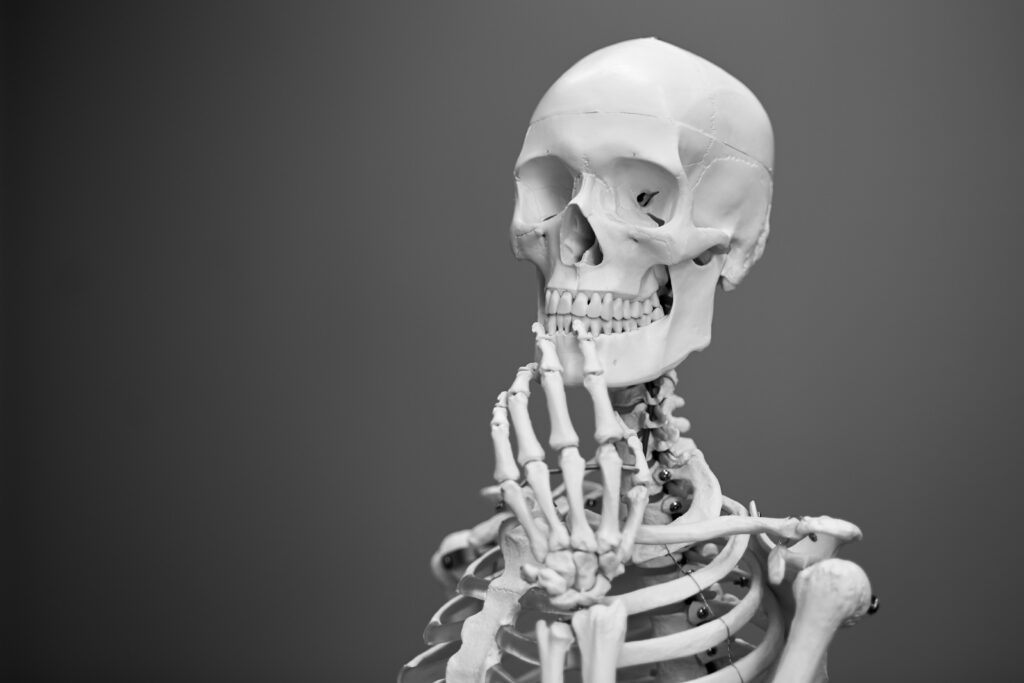
Keeping Your Bones Strong As You Grow Older
55% of Americans over the age of 50 have osteoporosis or low bone mass. That’s more than 40 million people! Osteoporosis is a condition that makes bones brittle, greatly increasing the risk of fractures. It is, therefore, no surprise that about 75% of hip, spine and forearm fractures occur in older adults, especially post-menopausal women….
Learn More
Chronic Pain: Is It All in Your Head?
The only thing worse than being in pain is being told that “it’s all in your head.” Sadly, people who suffer from chronic pain are often surrounded by family, friends and physicians who don’t believe they’re in pain. Since pain is invisible, it’s quite common for these people to appear “normal” even when in pain….
Learn More
Do More Without Burning Out
Modern life is extremely demanding. More people that ever before are being stressed beyond their limits. We are working exceptionally long hours and putting extreme pressure on ourselves to succeed in all areas of our lives. Between work and family, there’s very little time left for self-care; and many of us are so physically…
Learn More
Is Late Night Snacking Really That Bad For You?
There’s no shortage of nutrition experts who believe that late night snacking is bad for your health and causes weight gain. According to them, all late night snacks are a complete no-no, even healthy ones. On the flip side, some experts believe that late night snacking increases your metabolism and helps burn calories. To them,…
Learn More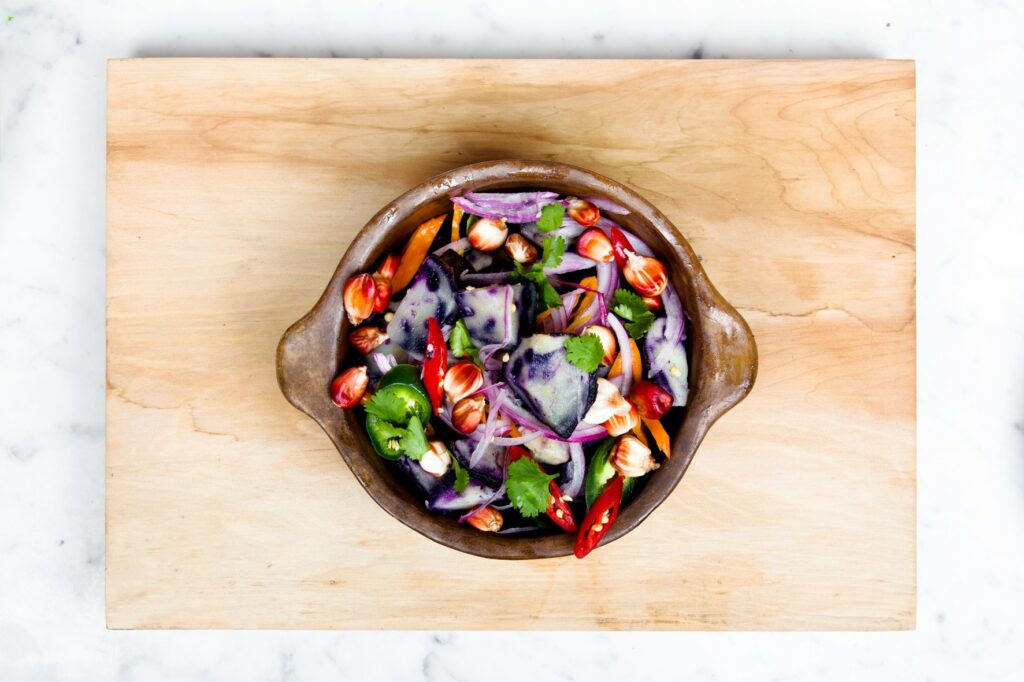
Are Raw Foods Safer and Healthier?
You’ve probably heard about the raw food diet, which involves eating mostly raw and unprocessed foods. Refined and pasteurized foods are completely out of the question, so the diet is made up of mostly fruits, vegetables, seeds and nuts. Those who support this diet claim that the process of cooking food destroys enzymes and nutrients….
Learn More
Spending Enough Time Outdoors?
Most of us spend our workdays indoors under artificial lights in front of a computer screen. Then we go home and plop down in front of the TV continuing to bask in the glow of yet another screen. Unfortunately, so much time spent inside is having a negative effect on our physical and mental health….
Learn More
The Truth About Cholesterol
There’s so much confusion surrounding dietary cholesterol. Some people believe it’s harmful and should be avoided at all costs, while others believe it’s totally fine. Cholesterol is essential for good health. The liver actually produces cholesterol, which aids in the production of essential hormones, bile and vitamin D. So, why does cholesterol get such a…
Learn More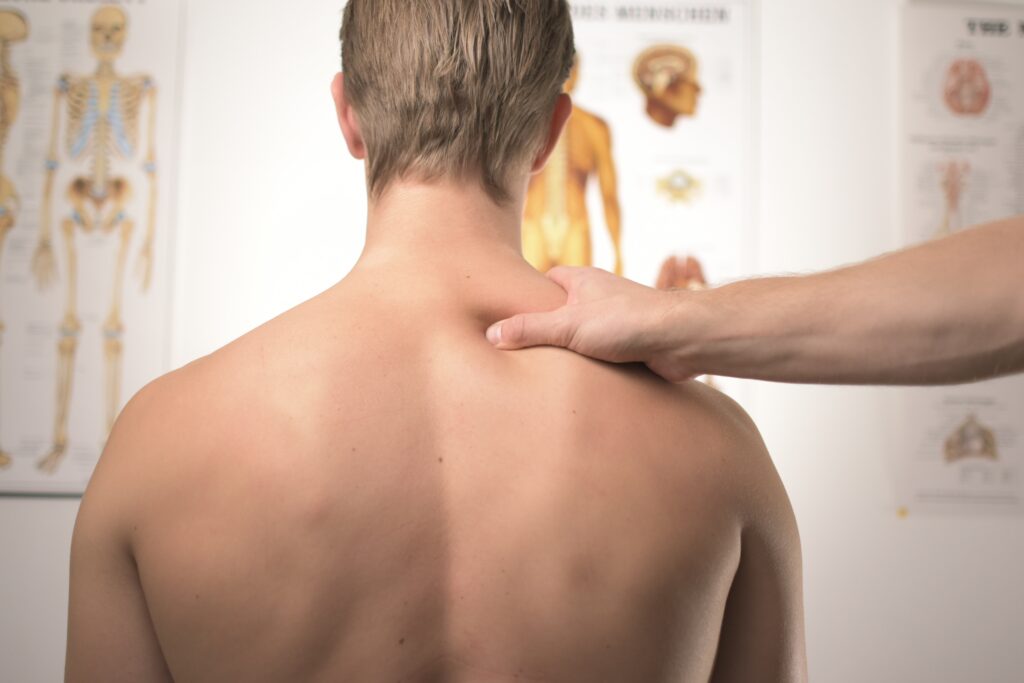
Why Does Your Back Hurt?
Millions of people suffer from chronic back pain. In fact, it’s the leading cause of disability among young Americans. Back pain doesn’t just happen; it’s usually triggered by certain things such as lifting heavy items, poor posture, extra weight, smoking, bad diet and fatigue. Overworking Your Back Muscles Why does your back hurt after a…
Learn More