Life Blog
Cutting-edge information and tips for creating health in all areas of life – wellness, nutrition, fitness, attitude, and relationships
October 22, 2026
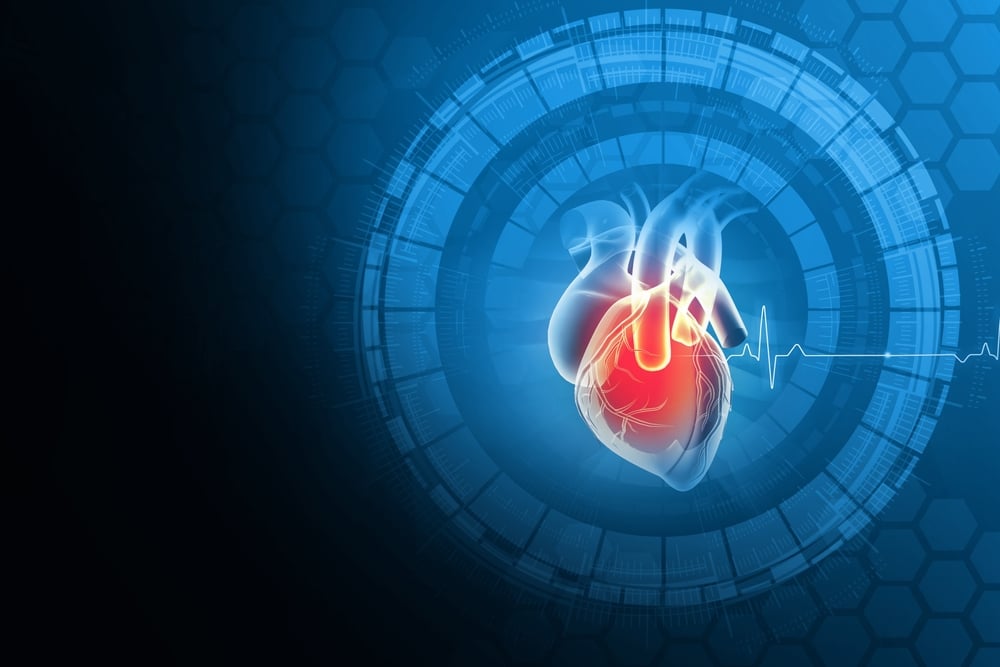
Would You Recognize a Heart Attack?
Heart attacks don’t always look like they do on television. Learn the warning signs you shouldn’t ignore and why protecting your heart begins long before symptoms appear. If you’ve watched enough medical dramas, you probably think you know what a heart attack looks like. Someone suddenly clutches their chest, gasps for air, and collapses while everyone rushes around shouting for a doctor. Hollywood certainly knows how to make an entrance. But in real life, a heart attack doesn’t always come with that kind of drama. Sometimes the symptoms are surprisingly subtle. And that’s part of what makes heart disease so dangerous. People may not recognize what’s happening until precious time has passed. So, would you recognize a heart attack if it happened to you or someone you love? A Heart Attack Isn’t Always What You Expect According to the American Heart Association, chest discomfort is the most common warning sign of a heart attack. But it doesn’t always feel like a sharp, crushing pain. Some people describe pressure, squeezing, fullness, or tightness in the center of the chest. The discomfort may last several minutes or disappear and return. And chest discomfort isn’t the only symptom. Other warning signs include: Pain or discomfort in one or both arms, the back, neck, jaw, or stomach Shortness of breath, even without chest discomfort Breaking out in a cold sweat Nausea or lightheadedness Unusual weakness or fatigue Some heart attacks begin suddenly and intensely. Others develop more gradually, with symptoms that are easy to…

Happy Couples Aren’t Lucky. They Practice These Everyday Habits.
Have you ever looked at a couple who’ve been happily married for thirty or forty years and thought, They just seem to have something special? From the outside, it can feel as though some couples simply found the right person and everything fell into place. But relationship research tells a different story. Healthy, lasting relationships are…
Learn More
Is There A Best Sleeping Position For Your Health?
You probably have a favorite sleeping position that you naturally get into after crawling under the covers and getting ready to fall asleep. However, did you know that your sleeping position could impact your health? It can affect your breathing, cause neck and back pain, tummy trouble and shorten your lifespan! Sleeping on Your Back…
Learn More
How To Look Younger By Protecting Your Skin From Sun Damage
It seems everyone wants that “youthful complexion”, which is why so many people search for wrinkle removing creams and skin tightening procedures as they age. In ancient times, people used herbal formulas to maintain their youthful skin and appearance, but the modern era ushered in easier, not necessarily healthier, ways to satisfy those desires. Today,…
Learn More
Why Love by Itself Isn’t Enough…And Why That’s Actually Good News
Most couples begin their relationship believing one thing: If we love each other enough, we’ll be okay. It’s a beautiful sentiment. After all, love is what brings two people together in the first place. It’s what inspires commitment, fuels romance, and gives us hope for the future. So why do so many couples who genuinely…
Learn More
How Carpets And Rugs Harm Indoor Air Quality
Carpets and rugs keep your home warm and cozy…but they can harbor dust, dust mites, fungal spores, pet dander and other allergens. Whether old or new, carpets and rugs can be a source of air pollutants, which affect indoor air quality negatively. Does that mean you need to rip them up and remodel with tile…
Learn More
5 Symptoms That Warrant A Trip To The Emergency Room
Most people are hesitant about going to the ER mainly because it can be expensive; no one wants to spend thousands of dollars just to find out all they have is severe indigestion! However, certain symptoms should never be ignored because they could be warning signs of a medical emergency. In these cases, timely treatment…
Learn More
Magnesium Can Reduce Stress And Help You Sleep
Magnesium is one of the most important minerals in the body but most of us don’t give it much thought. There are more than 300 chemical reactions in the body that require this mineral, and if that doesn’t get your attention, magnesium deficiency can cause physical and mental health problems. Several studies have shown that…
Learn More
Breakfast: The Most Important Meal Of The Day?
How many times have you heard that breakfast is the most important meal of the day? Everyone, from talk show hosts to health care practitioners, seems to have an opinion on the matter. So let’s look at the research. How Important Is Breakfast? There are many conflicting studies on this subject. A study published in…
Learn More
What Are You Ready to Be Free From?
This year marks 250 years of American independence. For two and a half centuries, we’ve celebrated the freedoms won by those who came before us. Every July 4th, we gather with family and friends, enjoy parades and fireworks, and reflect on what it means to be free. But while we celebrate freedom as a nation,…
Learn More
How To Take Proper Care Of Your Contact Lenses
There are forty-five million estimated contact lens wearers in the United States according to the CDC, and almost all of them practice at least one behavior that puts their eyes at risk. Contacts are very convenient. You don’t have to worry about them jiggling around on your face, falling or breaking when you’re going about…
Learn More
Something Nasty and Dangerous Could Be Lurking in Your Refrigerator
When was the last time you cleaned your fridge and threw out all of the old, or questionable, food? If you’re like most people, it’s probably been a while. Deep cleaning the refrigerator is a task most people dread, which is why many of us don’t do it as often as we should. The average…
Learn More
Keeping Your Bones Strong As You Grow Older
55% of Americans over the age of 50 have osteoporosis or low bone mass. That’s more than 40 million people! Osteoporosis is a condition that makes bones brittle, greatly increasing the risk of fractures. It is, therefore, no surprise that about 75% of hip, spine and forearm fractures occur in older adults, especially post-menopausal women….
Learn More