Life Blog
Cutting-edge information and tips for creating health in all areas of life – wellness, nutrition, fitness, attitude, and relationships
October 22, 2026
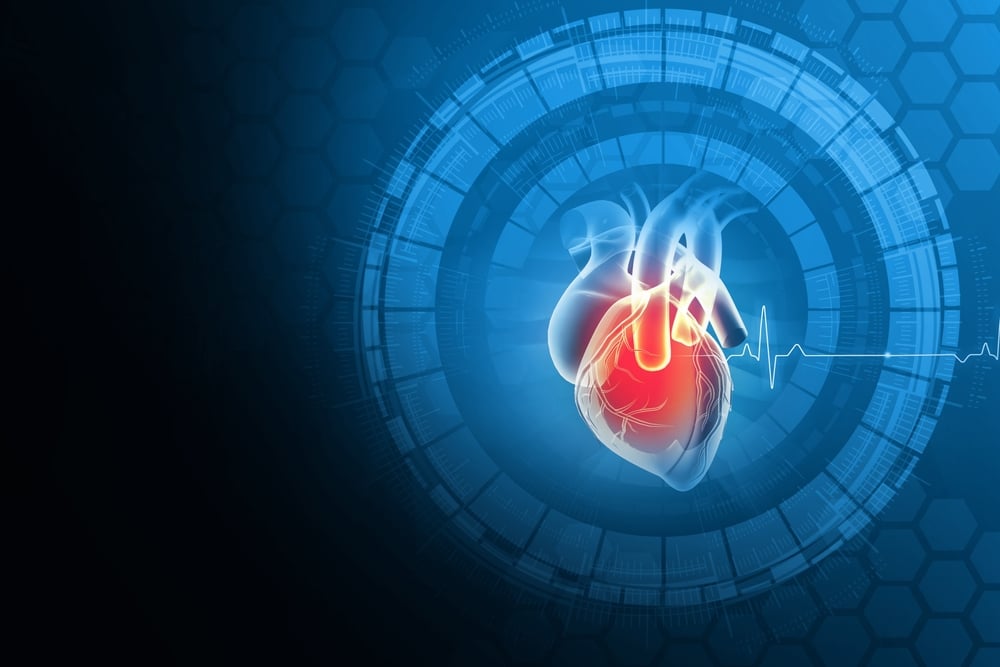
Would You Recognize a Heart Attack?
Heart attacks don’t always look like they do on television. Learn the warning signs you shouldn’t ignore and why protecting your heart begins long before symptoms appear. If you’ve watched enough medical dramas, you probably think you know what a heart attack looks like. Someone suddenly clutches their chest, gasps for air, and collapses while everyone rushes around shouting for a doctor. Hollywood certainly knows how to make an entrance. But in real life, a heart attack doesn’t always come with that kind of drama. Sometimes the symptoms are surprisingly subtle. And that’s part of what makes heart disease so dangerous. People may not recognize what’s happening until precious time has passed. So, would you recognize a heart attack if it happened to you or someone you love? A Heart Attack Isn’t Always What You Expect According to the American Heart Association, chest discomfort is the most common warning sign of a heart attack. But it doesn’t always feel like a sharp, crushing pain. Some people describe pressure, squeezing, fullness, or tightness in the center of the chest. The discomfort may last several minutes or disappear and return. And chest discomfort isn’t the only symptom. Other warning signs include: Pain or discomfort in one or both arms, the back, neck, jaw, or stomach Shortness of breath, even without chest discomfort Breaking out in a cold sweat Nausea or lightheadedness Unusual weakness or fatigue Some heart attacks begin suddenly and intensely. Others develop more gradually, with symptoms that are easy to…

Are Naps Really Good For Your Health?
Many people around the world love a good nap. In fact, siestas are an integral part of some cultures. A quick nap boosts productivity and performance, according to some research. But, other studies (perhaps controversial) indicate a connection between napping and mortality. Napping during the day increases the risk of premature death by up to a third!…
Learn More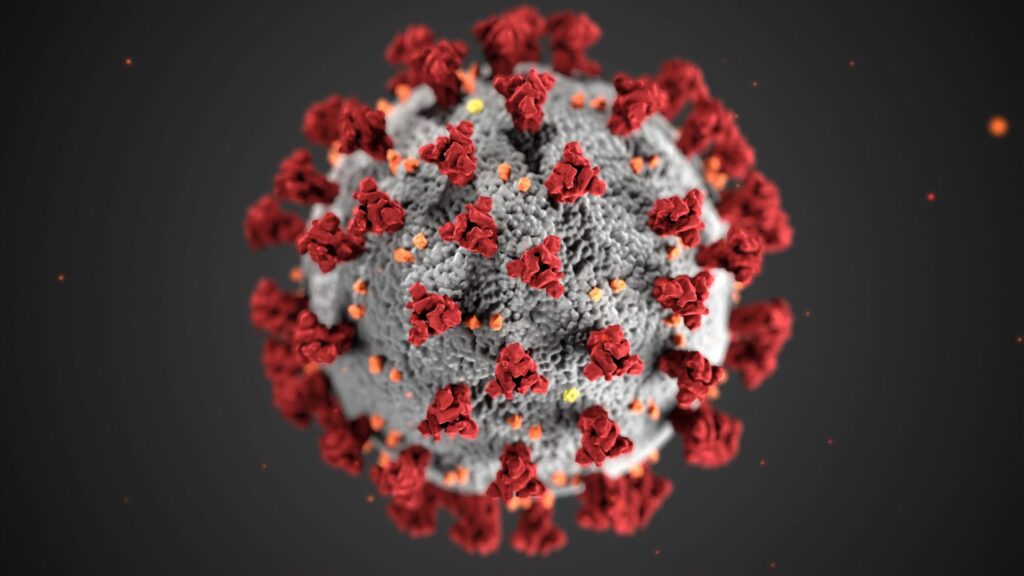
How To Protect Yourself From The Coronavirus
The World Health Organization announced on March 11, 2020, that the Corona Virus (COVID-19) is a pandemic. Although we watched COVID-19 shut down China, Italy, Germany, Spain, with more countries being added to the list daily, it’s real now because it’s on our doorstep, not thousands of miles away. So let’s talk about how you…
Learn More
Keep Your Kids Healthy & Germ-Free at School
Schools and child care centers are teeming with germs and contagious illnesses. Common infections like the flu, colds, stomach bugs, ear infections, and pink eye spread like wildfire. Most parents wish they could do more to protect their children. Even worse, kids bring these illnesses home and infect their siblings, parents, and other family members,…
Learn More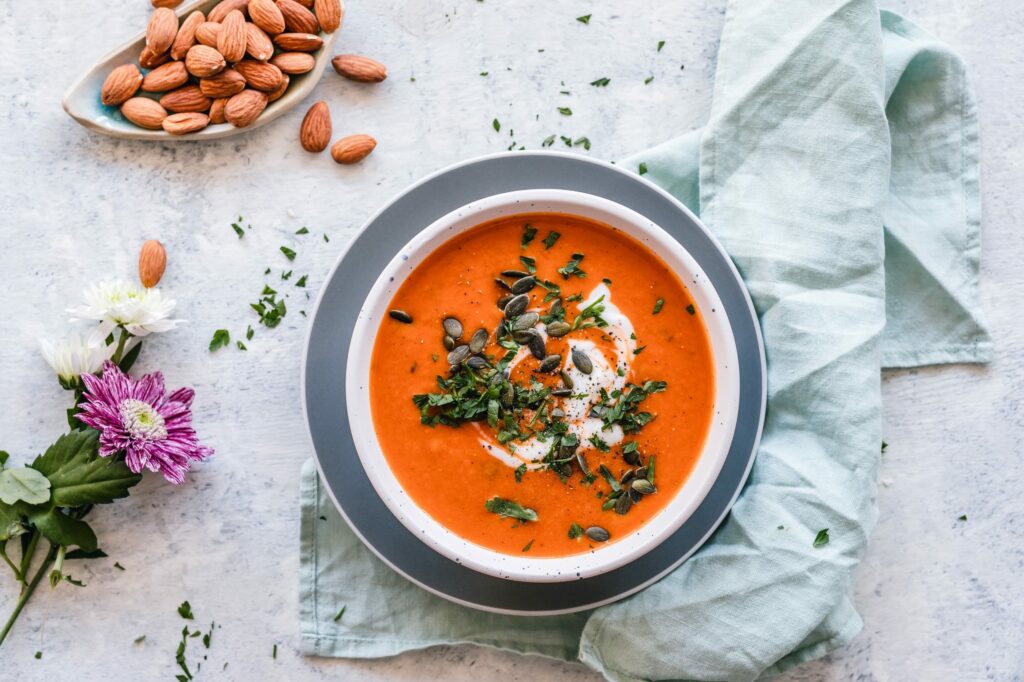
Tired of Salads and Smoothies? Try This Instead
Healthy foods have an image problem. In most people’s minds, the word ‘healthy” is synonymous with blandness, boring! It’s no surprise that many people only eat healthy food when they’re on a diet. They eat unhealthy foods most of the time and only have a salad or chug a green smoothie every once in a…
Learn More
Speech and Language Problems: When Words Come Out Wrong
Speech is the main way we communicate with others. It develops naturally and requires the coordination of multiple body parts, including the brain, mouth, jaw, chest, neck, and abdomen (and you thought saying “What’s up?” was easy). Many people deal with language disorders, making it challenging to communicate with others. Sometimes, a person knows what…
Learn More
Is It A Cold or Pneumonia?
Most of us only know about one type of pneumonia — the one that hospitalizes about 1 million people every year. However, there’s another kind called walking pneumonia, whose symptoms are very similar to the common cold or flu. About two million people in the US catch walking pneumonia every year. Most think it’s a…
Learn More
How to Disclose a Difficult Diagnosis to Your Loved Ones
Having a serious illness like cancer, heart disease, or ALS can be very lonely, and no one should try to bear it alone. First, it isn’t practical to hide something that serious from friends and family without them noticing that something is troubling you. Second, acting like everything is okay when it’s not, requires energy…
Learn More
Get a Better Workout in Less Time
Some people really love working out, but most want to get their workout done as fast as possible. They’re always looking for the ultimate bang-for-your-buck workouts that get them the best results in the shortest time! Compound exercises are the easiest way to take your workout from good to great without spending more time in…
Learn More
Coping With Hairloss?
Although baldness is an intentional choice for some people, most desire a full, healthy head of hair because they feel more confident and attractive. Unfortunately, about half of us will experience some form of hair loss before the age of 50. The exact numbers, according to the American Hair Loss Association, are 50% of men…
Learn More
How To Control Your Cravings
Do you ever crave certain foods, like crawling across shards of broken glass kind of cravings? That might be a bit extreme, but you get the idea. Food cravings are a universal struggle. One hundred percent of young women and seventy percent of young men experience them; scientists have yet to find a “cure.” But…
Learn More
When Your Whole Body Hurts
It’s early in the New Year, and people are crowding the gyms to get in shape. If you’re one of them, chances are your body is hurting all over! Usually, when pain occurs in one part of the body, it’s easy to pinpoint the cause. But generalized aches and pains are another story and are…
Learn More
Put Away the Scale for Now
Tracking your weight can be frustrating, especially if you have more than a few pounds to lose because weight can fluctuate by more than a few pounds a day. To complicate matters, when you’re thirsty, your body panics and retains water, causing you to weigh even more. When you’re adequately hydrated, your body drops the…
Learn More